Dance Classes May Ease Back Pain, New Study Suggests
Julia Wagner ·
Listen to this article~4 min
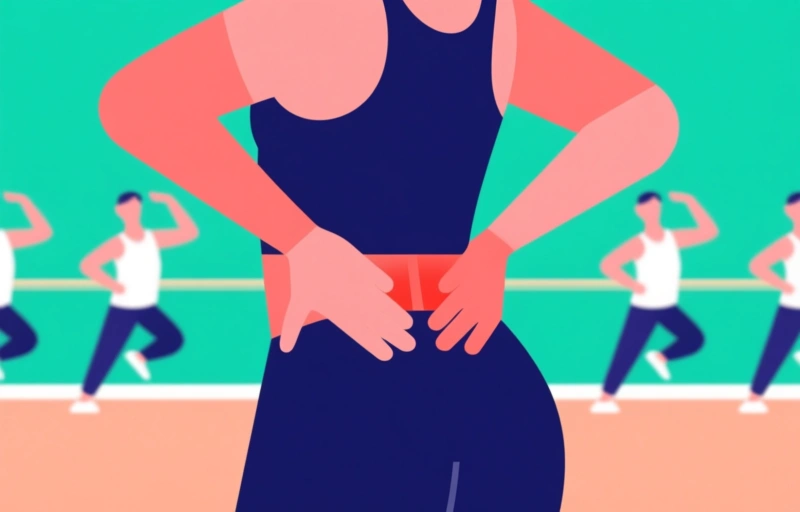
A new study suggests regular dance classes may significantly reduce lower back pain and improve mobility, offering a fun, social alternative to traditional exercises for chronic discomfort.
So, you know that nagging ache in your lower back? The one that seems to settle in after a long day or a tough workout? Well, what if the solution wasn't just more rest or another pill, but something a whole lot more fun? A recent study is turning heads with a simple, joyful idea: dance classes could be a powerful tool for managing lower back pain.
It's a finding that makes a lot of sense when you think about it. We're not talking about high-impact, intense routines here. The focus is on movement—gentle, rhythmic, and purposeful. For many professionals in the dance world, this isn't just about art; it's about understanding the body's mechanics in a whole new way.
### What The Research Is Telling Us
The study followed a group of participants dealing with persistent lower back discomfort. They incorporated regular, moderate dance sessions into their routines. The results were pretty encouraging. Participants reported noticeable reductions in pain levels and significant improvements in their overall mobility and flexibility. It seems the combination of stretching, strengthening, and cardiovascular work that dance provides hits all the right notes for spinal health.
Think about the core engagement in a basic ballet posture or the fluid motion of a contemporary piece. These movements build the supportive muscles around the spine without the jarring impact of some other exercises. It's functional fitness disguised as pure expression.

### Why Dance Works for the Back
Let's break down why this might be so effective. Chronic back pain often stems from a few key issues:
- Weak core and stabilizing muscles
- Poor posture and movement patterns
- Stiffness and lack of flexibility
- Stress and tension held in the body
A well-structured dance class addresses every single one of these points. You're engaging your core constantly for balance and control. You're retraining your posture to be taller and more aligned. You're moving your joints through their full range of motion. And perhaps most importantly, you're releasing endorphins and melting away stress—a huge contributor to muscle tension.
As one physical therapist familiar with the study noted, "The social, rhythmic, and enjoyable nature of dance makes adherence much higher than with prescribed, often monotonous, physical therapy exercises alone."
### Implementing This in Your Studio or Practice
For studio owners and choreographers, this opens up a fascinating avenue. It's not about becoming a physical therapy clinic. It's about leveraging the inherent benefits of what you already teach. Consider these ideas:
- **Offer targeted workshops:** Create a 6-week "Movement for Back Health" series focusing on gentle flow, core awareness, and flexibility.
- **Modify existing classes:** Have cues ready for students who mention back issues—suggestions for softer landings, engaged cores, and mindful movement.
- **Collaborate with local health professionals:** Build relationships with chiropractors and physical therapists who can refer clients to your low-impact classes.
It's a shift in perspective. You're not just teaching steps; you're facilitating healing through movement. The music, the community, the joy—they're all part of the medicine.
### A Note of Caution and Next Steps
Of course, this isn't a one-size-fits-all cure. Anyone with severe or acute back pain should always consult a doctor before starting any new activity. The key is starting slow, listening to your body, and choosing the right style. Think waltz, salsa, or lyrical over hard-hitting hip-hop or intense ballet jumps.
The real takeaway here is empowerment. It suggests that managing chronic pain doesn't have to be a grim, clinical process. It can be social, creative, and uplifting. For dance professionals, it's a powerful reminder of the profound impact your work can have—far beyond the stage or the studio mirror. You're not just building dancers; you could be helping people build a more comfortable, mobile life. And that's a beautiful thing to be a part of.