Conducting Movement: Madelyn Sher on Dance Leadership
Julia Wagner ·
Listen to this article~2 min
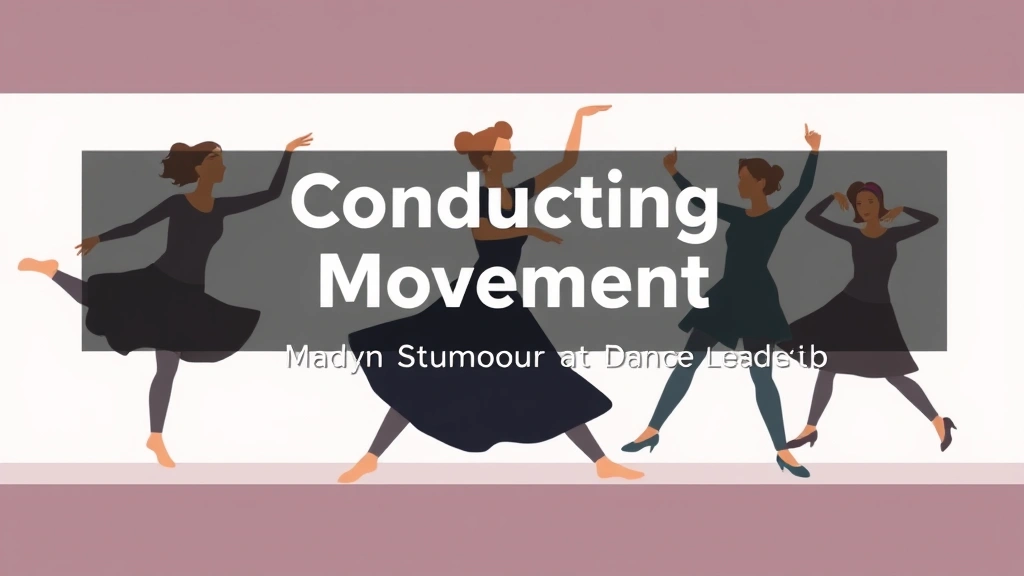
Emory Arts Dance Fellow Madelyn Sher redefines choreography as a two-way conversation between conductor and dancer, offering practical insights for studio owners and choreographers.
What does it mean to lead a dance? And what does it mean to be led by one? These are the questions at the heart of Madelyn Sher's work as an Emory Arts Dance Fellow. Her latest project flips the script on traditional choreography, exploring the push and pull between conductor and conducted.
### The Art of Letting Go
Sher's approach isn't about rigid control. Instead, she treats each performance like a conversation. Dancers aren't just following steps—they're responding to cues in real time. Think of it like jazz: there's a structure, but the magic happens in the spaces between.
- Dancers learn the core sequence
- They practice reading subtle signals
- Each performance becomes unique
This method builds trust. It also builds better dancers. When performers feel empowered to contribute, they own the movement. And that ownership shows.
### Why This Matters for Dance Studios
If you run a studio, this philosophy can transform your classes. Too often, we focus on getting the steps "right." But Sher reminds us that dance is a living art. It breathes. It changes.
Here's what you can try:
- **Encourage improvisation** within structured routines
- **Use partner exercises** to build non-verbal communication
- **Let students lead** a section of the choreography
These small shifts create big results. Dancers become more confident. They listen better. And they learn to trust their instincts.
### The Conductor's Role
In Sher's world, the choreographer isn't a dictator. They're a guide. A conductor sets the tempo, but the orchestra brings the music to life. The same goes for dance.
"We're all conducting each other," Sher says. "The energy flows both ways."
This reframing is powerful for choreographers. It takes the pressure off having to be perfect. Instead, you can focus on creating conditions for creativity to flourish.
### Practical Takeaways
Whether you're teaching beginners or advanced dancers, these ideas can elevate your work. Start small. Try one new exercise per class. See how your dancers respond.
Remember: the goal isn't flawless execution. It's connection. When dancers feel connected to each other and to the music, the audience feels it too.
Madelyn Sher's work is a reminder that dance is a conversation. And the best conversations happen when everyone has a voice.