Collide Theatrical's 'Little Women' Dance Performance Review
Julia Wagner ·
Listen to this article~4 min
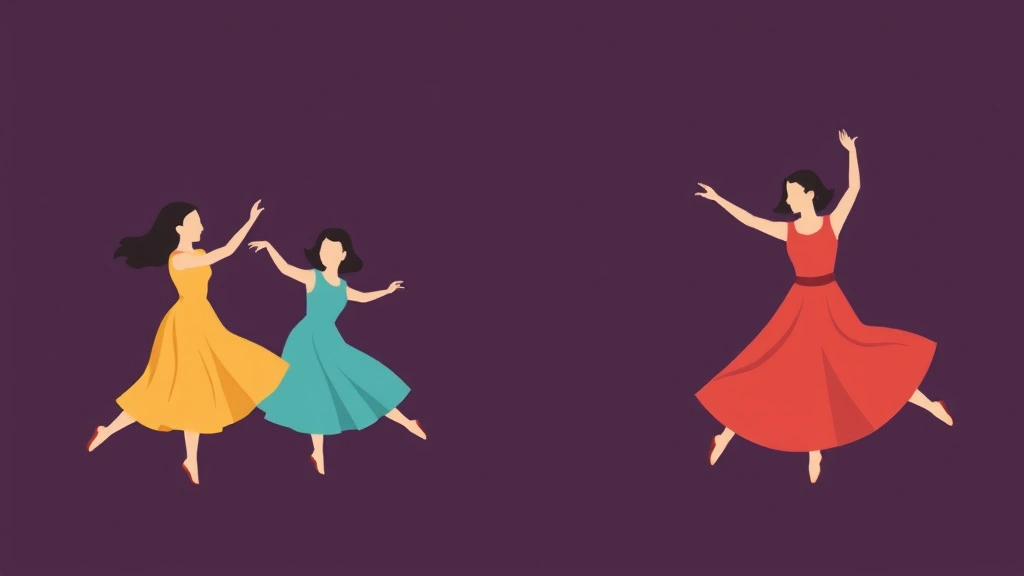
Collide Theatrical Dance Company's innovative adaptation of 'Little Women' transforms the classic novel through contemporary movement at Luminary Arts Center, offering fresh insights for dance professionals.
If you're a dance studio owner, choreographer, or just someone who loves seeing classic stories reimagined through movement, you've probably wondered how literary adaptations translate to the stage. Well, let me tell you about something special I recently experienced.
Collide Theatrical Dance Company brought Louisa May Alcott's beloved novel "Little Women" to life at the Luminary Arts Center, and it was anything but predictable. They didn't just retell the story—they reinvented it through contemporary dance, making those nineteenth-century characters feel startlingly modern.
### What Made This Production Stand Out
You know how some dance adaptations feel like they're just checking boxes? This wasn't that. The choreography managed to capture the March sisters' distinct personalities through movement alone. Meg's graceful precision, Jo's rebellious energy, Beth's gentle fluidity, Amy's calculated elegance—each sister had her own movement vocabulary that told you who she was before a single word was spoken.
What really struck me was how they handled the emotional beats. The famous scene where Beth falls ill? Instead of melodrama, they used slow, weighted movements that conveyed that heavy sense of impending loss. It was subtle but devastating.
### Technical Elements Worth Noting
The production made smart use of the Luminary Arts Center's intimate space. The stage measures about 40 feet wide by 30 feet deep, which forced some creative staging solutions. Rather than trying to create literal settings, they used minimal props and lighting to suggest locations. A single wooden chair became the family's parlor, a hospital bed, and a writing desk through different lighting states and dancer interactions.
Costuming followed a similar philosophy—period-inspired but simplified for movement. The dresses allowed for full extension while still suggesting the 1860s silhouette. Practical considerations every dance professional appreciates.
### Takeaways for Dance Professionals
Here's what studio owners and choreographers might find particularly interesting:
- **Adaptation approach**: They focused on emotional truth rather than literal translation
- **Casting against type**: Some roles were danced by performers you wouldn't expect in those parts, creating fresh dynamics
- **Music selection**: A mix of contemporary compositions with occasional period pieces kept the soundscape engaging
- **Pacing**: The 90-minute runtime felt just right—long enough to develop characters but tight enough to maintain energy
One choreographer I spoke with afterward put it perfectly: "They remembered that dance is about showing, not telling. The story emerged from the relationships between bodies in space, not from trying to act out the plot."
### Why This Matters for Your Work
Whether you're planning your studio's next showcase or developing original work, there are lessons here. The production proved that audiences will follow you into unconventional interpretations if the emotional core remains authentic. It also demonstrated how constraints (like that intimate stage) can spark innovation rather than limit creativity.
Most importantly, it showed that familiar stories still have new things to say when approached through a different artistic lens. The March sisters' struggles with ambition, family duty, and finding their place in the world resonated just as strongly through movement as they do through Alcott's words.
If you get a chance to see Collide Theatrical's work—whether this production or something else—take it. There's nothing like watching skilled dancers and thoughtful choreographers remind us why we fell in love with this art form in the first place.