Choosing the Right Latin Dance Shoes for Young Girls
Julia Wagner ·
Listen to this article~5 min
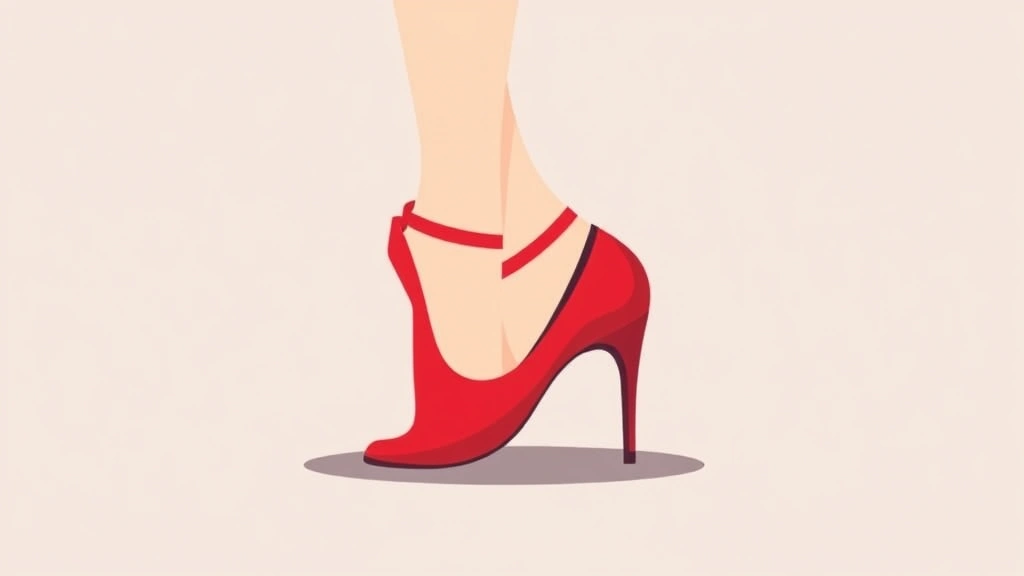
Choosing the right Latin dance shoes for young girls is crucial. Learn why soft soles, low heels, secure straps, and yes, even glitter, matter for safety, technique, and building a lifelong love of dance.
Hey there, dance parents and instructors. Let's talk about something that might seem small but makes a huge difference in a young dancer's world: her shoes. Specifically, we're diving into Latin dance shoes for girls. You know, the glittery, soft-soled, low-heel practice shoes that light up a studio.
It's not just about the sparkle, though that certainly helps with motivation. It's about finding that perfect balance between support, flexibility, and style for a growing dancer. The wrong pair can lead to discomfort, bad habits, or even injury. The right pair? It can build confidence and let technique shine.
### Why Soft Soles and Low Heels Matter for Kids
Kids' feet are still developing. They need shoes that support that growth, not hinder it. A stiff, rigid sole on a practice shoe can be a real problem. It doesn't allow for the proper foot articulation needed in Latin dances like Cha-Cha or Rumba.
A soft, flexible sole lets the foot bend and move naturally. It helps young dancers feel the floor, which is crucial for balance and learning proper weight transfer. Think of it like this: you wouldn't learn to write while wearing mittens. You need to feel the pencil. Dancers need to feel the floor.
As for the low heel, it's all about safety and gradual progression. A 1-inch or 1.5-inch heel is plenty for practice. It introduces the concept of dancing in heels without the instability of a higher, performance-style heel. It builds ankle strength slowly and safely.
### Key Features to Look For in Practice Shoes
When you're shopping, keep these points in mind. They're the difference between a shoe that works and one that just looks pretty.
- **Secure Fastening:** Look for a strap across the instep. A simple elastic or buckle strap keeps the shoe snug on the foot during quick turns and spins. Slip-ons can fly off.
- **Breathable Material:** Kids' feet sweat. A shoe with some mesh or a breathable synthetic upper will help keep things comfortable and prevent blisters.
- **Non-Marking, Flexible Sole:** This is non-negotiable for studio floors. The sole should bend easily at the ball of the foot. Give it a gentle twist in your hands; it should have some give.
- **Adequate Toe Box:** There should be just a little room (about a thumb's width) in front of the longest toe. Not so much that the foot slides, but enough that toes aren't cramped.
One dance school owner I spoke with put it perfectly: "We're not just teaching steps; we're building a foundation. The shoes are part of that foundation. They have to be right."
### Glitter and Style: More Than Just Decoration
Okay, let's address the glitter. It might seem purely aesthetic, but for a young dancer, it's part of the magic. That sparkle can transform practice from a chore into something special. It connects the practice shoe in the studio to the dazzling performance shoe on stage.
When a girl feels good in her shoes, she dances better. It's a simple truth. The confidence boost from wearing something she loves is real. So, while function is king, don't underestimate the power of a little sparkle to fuel passion.
### Finding the Right Fit and When to Replace
Always fit dance shoes at the end of the day when feet are slightly swollen. Have the dancer wear the same type of tights or socks she'll use in class. She should stand with full weight on both feet. Check for that thumb's width of space at the toe.
And remember, kids grow fast. A shoe that fit perfectly in September might be tight by December. Keep an eye out for these signs it's time for a new pair:
- Toes are pressing hard against the end of the shoe.
- The strap is stretched to its limit and no longer feels secure.
- The sole is worn smooth, especially under the ball of the foot, losing its grip.
- The heel counter (the back part) has broken down and no longer supports the ankle.
Investing in the right practice shoe isn't just about today's class. It's about protecting those growing feet and nurturing a love for dance that could last a lifetime. Start with the right foundation, and everything else has a better chance of falling beautifully into place.