Breaking Stereotypes: Why Dance is for Everyone, Not Just…
Julia Wagner ·
Listen to this article~4 min
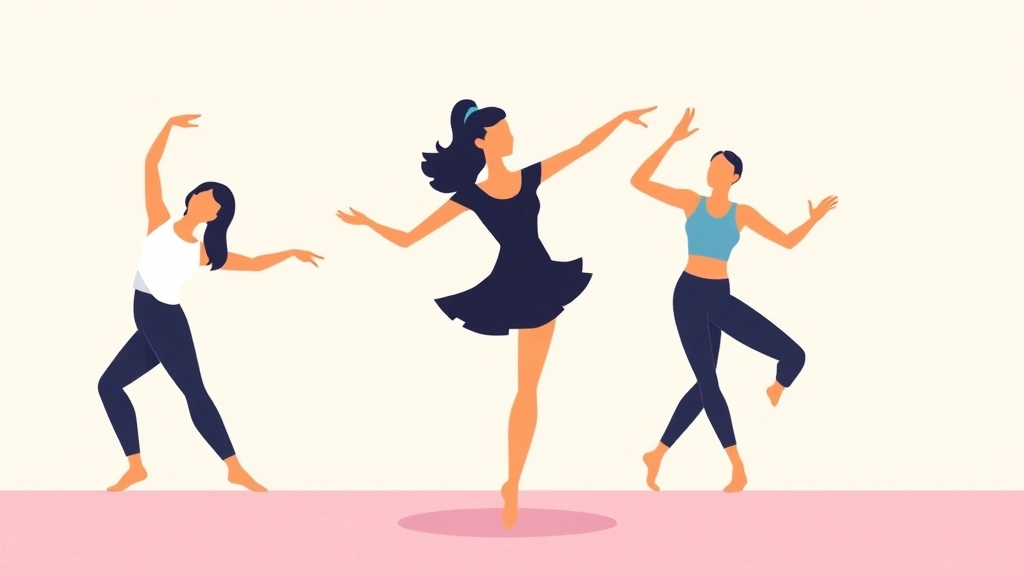
Dance studios are breaking gender stereotypes by creating inclusive environments where boys discover confidence, strength, and joy through movement. Learn how forward-thinking programs benefit everyone.
Let's talk about something that's been bugging me for a while. You know that old idea that dance is 'just for girls'? It's time we put that to rest for good. I've seen firsthand how this stereotype holds back so many talented young boys and men from exploring movement, expression, and pure joy.
Dance studios across the country are stepping up to change this narrative. They're creating spaces where everyone feels welcome, regardless of gender. And honestly, it's about time.
### The Power of Inclusive Dance Programs
When a dance studio commits to being truly inclusive, magic happens. Boys who might have never considered dance start discovering their rhythm. They find strength in movement they never knew they had. The benefits go way beyond just learning steps.
Think about it this way: dance builds confidence like few other activities can. It teaches discipline, coordination, and teamwork. These are life skills that serve anyone well, whether they pursue dance professionally or just enjoy it as a hobby.
### What Makes a Studio Truly Welcoming
Creating an environment where boys feel comfortable dancing takes intentional effort. It's not just about hanging up a sign that says 'Everyone Welcome.' It's about the culture, the teaching approach, and the community you build.
Here's what forward-thinking studios are doing right:
- Offering classes specifically designed to appeal to diverse interests (think hip-hop, breakdancing, or athletic contemporary styles alongside traditional ballet)
- Featuring male instructors and role models who can connect with young male students
- Using language and marketing materials that show boys dancing proudly
- Creating performance opportunities that showcase diverse talents
One studio director put it perfectly: 'When we stop labeling activities as 'for girls' or 'for boys,' we open up whole new worlds of possibility for our students.'
### The Real Benefits Boys Gain from Dance
This isn't just about being politically correct. There are tangible, measurable benefits when boys engage in dance training. Their physical fitness improves dramatically—dance builds strength, flexibility, and endurance in ways that complement traditional sports.
Emotionally, dance provides an outlet for expression that many boys don't find elsewhere. In a society that often tells boys to suppress their emotions, dance offers a healthy, creative way to process feelings. The social benefits are huge too. Dance classes create communities where friendships form across traditional boundaries.
### How Studios Can Take Action
If you're running a dance studio or teaching classes, you might be wondering where to start. The good news is that small changes can make a big difference. Begin by examining your current offerings through a new lens. Are there classes that might appeal more to boys if presented differently?
Consider partnering with local schools or community centers to offer introductory workshops. Sometimes, getting boys through the door for that first class is the biggest hurdle. Once they experience the energy and fun of dance, the stereotypes often melt away.
Remember that representation matters. Showcase your male students in performances and promotional materials. Highlight successful male dancers in your field. These visible examples help normalize the idea that dance is for everyone.
### Looking Toward a More Inclusive Future
The movement toward gender-inclusive dance education is gaining momentum, and it's exciting to watch. More studios are recognizing that talent and passion know no gender boundaries. They're creating programs that celebrate diversity in all its forms.
As one young male dancer recently shared, 'I used to get teased for dancing. Now my football teammates ask me to help with their footwork.' That's progress. That's change happening right before our eyes.
So here's my challenge to you: whether you're a studio owner, a parent, or just someone who loves dance, think about how you can help break down these outdated barriers. Because when we make dance truly accessible to everyone, we all benefit. The art form grows richer, our communities grow stronger, and more people get to experience the pure joy of movement.
What step will you take today to make your dance space more inclusive?