Black Women Are Sustaining Ballet's Future Today
Julia Wagner ·
Listen to this article~4 min
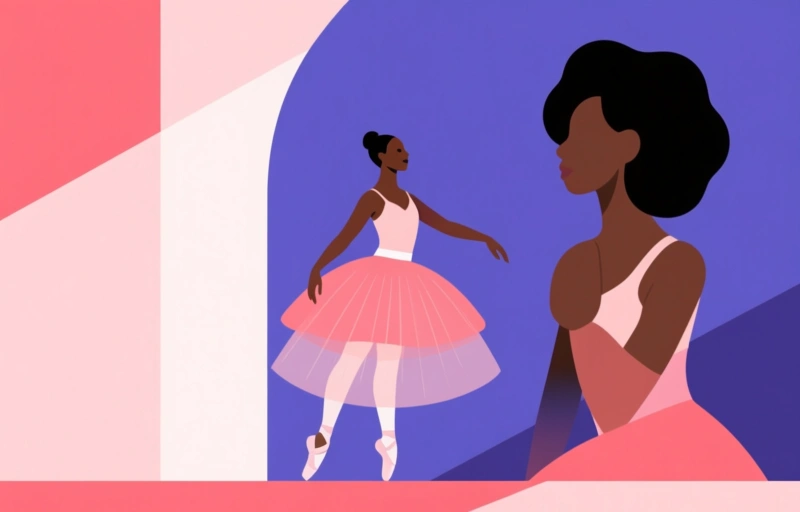
Ballet is thriving, powered by Black women who are leading as dancers, choreographers, and directors. This shift is making the art form more inclusive and relevant for today's studios and audiences.
Let's talk about ballet. You might think of it as a classic art form, maybe even one that's fading. But here's the truth—it's very much alive. And right now, Black women are at the heart of its evolution and survival. They're not just participating; they're leading, innovating, and ensuring ballet has a vibrant future.
It's a powerful shift. For too long, the ballet world presented a very narrow image. Now, incredible artists are expanding what ballet looks like, who it's for, and the stories it can tell. This isn't about a passing trend. It's a fundamental reshaping of the art form from the inside out.
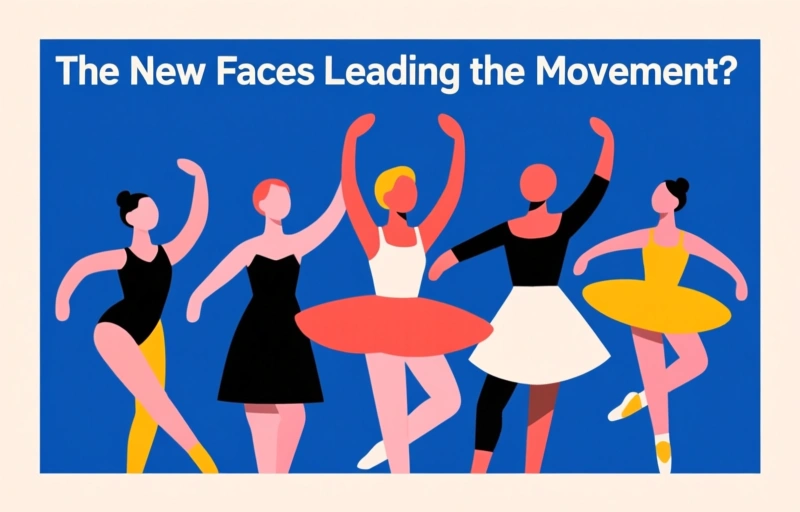
### The New Faces Leading the Movement
Who are these changemakers? They are principal dancers breaking barriers in major companies. They are choreographers creating groundbreaking new works that speak to contemporary experiences. They are artistic directors steering institutions toward greater inclusivity. And they are educators in studios across the country, inspiring the next generation of young dancers of all backgrounds.
Their influence is everywhere. You see it in the diversity of bodies on stage, in the music selections, and in the narrative themes being explored. Ballet is becoming more relevant, more connected to the world we actually live in. That connection is what keeps any art form from becoming a museum piece.
### Why This Momentum Matters for Studios
If you run a dance studio or teach classes, this isn't just a distant conversation for big ballet companies. It's directly relevant to your work. Today's students and their families are looking for environments that reflect the real world. They want to see themselves represented in the art they study.
- **Broaden your appeal:** Inclusive programming attracts a wider range of students.
- **Enrich your curriculum:** Incorporating diverse choreographers and styles makes your teaching more dynamic.
- **Build community:** A studio that celebrates diversity becomes a stronger, more welcoming hub.
It’s about more than just steps; it’s about creating a culture where every dancer feels they belong. That’s how you build a lasting legacy.
As one renowned choreographer recently noted, *“Our stories have always had rhythm and grace. Now, we have the stages.”* This sentiment captures the moment perfectly. It’s an acknowledgment of a long history of artistry and a declaration of a new era of visibility and leadership.
### The Practical Impact on Daily Class
So what does this look like on a Tuesday afternoon in a local studio? It means music choices might include soul, hip-hop, or Afrobeat alongside Tchaikovsky. It means discussing the history of dancers like Misty Copeland or Alicia Graf Mack. It means choreography that allows for different expressions of line and power.
It’s a holistic approach. The technical foundation of ballet—the discipline, the turnout, the port de bras—remains crucial. But the canvas upon which that technique is applied is expanding beautifully. This makes students more versatile artists and more engaged learners.
The energy is palpable. There's a renewed sense of possibility in the dance community. Ballet is being redefined not as a rigid relic, but as a living, breathing art form that can hold multitudes. Its future is being written now, in studios and theaters across the nation, by a brilliant array of voices. And that future, sustained by so many talented Black women, looks incredibly bright.