Behind the Curtain: The Realities of Dance Competitions
Julia Wagner ·
Listen to this article~5 min
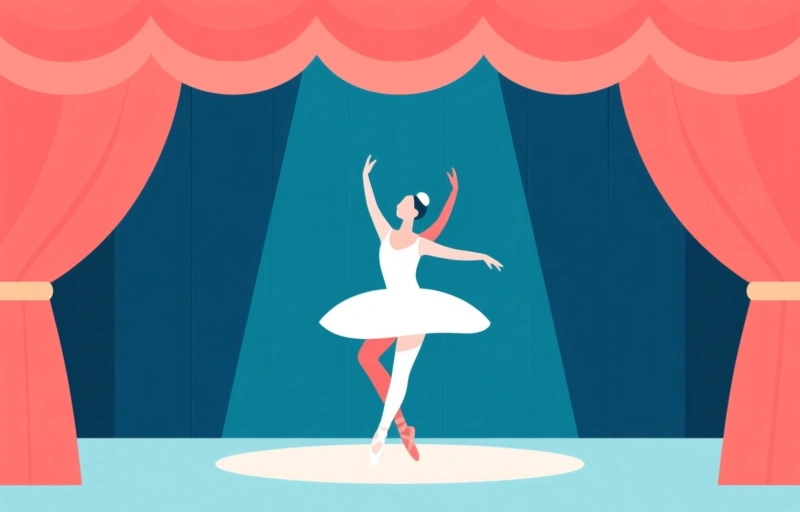
Explore the intense physical, mental, and financial realities of dance competitions beyond the glitter and trophies. Learn how studios and choreographers navigate this demanding world.
Let's talk about what really happens when the music starts and the judges' eyes lock onto the stage. You know that feeling—the adrenaline, the nerves, the sheer physical demand of performing. Dance competitions aren't just about pretty costumes and trophies. They're a world where passion meets pressure in ways most people never see.
I've worked with studios and choreographers across the country, and let me tell you, the competition circuit is a different beast entirely. Whether it's ballroom, ballet, hip-hop, or contemporary, the intensity is the same. The lights might be bright, but the reality behind them can be pretty tough.
### The Physical Toll on Dancers
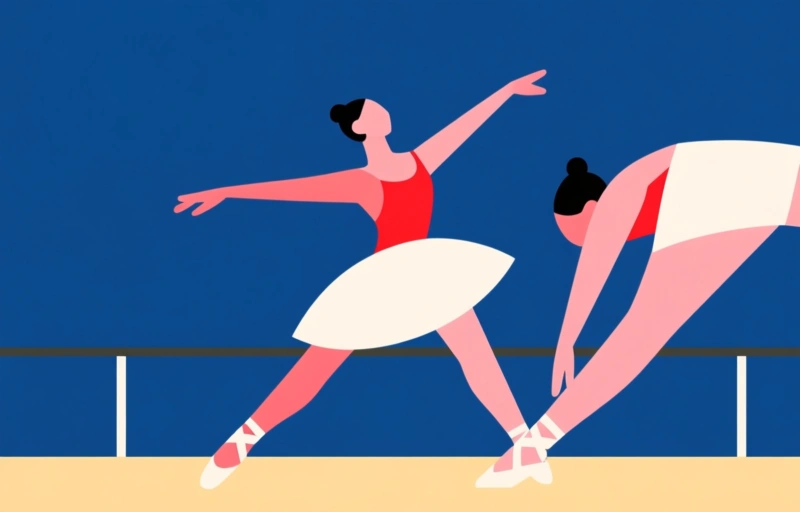
We're talking about athletes here, plain and simple. A typical competition season can mean practicing 20-30 hours a week on top of regular classes. That's like a part-time job. Dancers are pushing their bodies to extremes, and injuries are common. Think about it:
- Sprained ankles from landing a jump wrong
- Stress fractures from repetitive impact
- Chronic back pain from lifts and extensions
- Exhaustion that leads to burnout
It's not just about being tough. It's about managing a body that's both your instrument and your biggest liability. The pressure to perform through pain is real, and it's something every studio owner and choreographer needs to address with their teams.
### The Mental Game is Just as Hard
Here's the thing nobody talks about enough: the mental strain. You're being judged on every move, every expression, every moment of your performance. The feedback can be harsh, and the comparisons are constant. One judge might love your emotional interpretation, while another thinks your technique is sloppy.
I remember a young dancer telling me she felt like she was "performing for a score" instead of dancing for joy. That shift in mindset is dangerous. When the love of movement gets replaced by fear of failure, we've lost something essential.
### The Financial Reality for Studios and Families
Let's get practical for a minute. Competing isn't cheap. For a studio sending a team to a regional event, costs add up fast. We're talking:
- Entry fees that can run $75-$150 per dancer per routine
- Costumes that might cost $200-$500 each
- Travel expenses for out-of-town events
- Coaching and choreography fees
For a family with a child in multiple routines, a single competition weekend can easily cost over $1,000. That's before you factor in the hours of lost wages for parents taking time off work. It creates a situation where only certain families can participate fully, which changes the whole dynamic of who gets to compete at the highest levels.
> "The stage doesn't care about your excuses. It only shows your preparation."
That quote from a veteran choreographer has stuck with me for years. It captures the unforgiving nature of competition while reminding us that what matters most happens long before the curtain rises.
### Creating a Healthier Competition Culture
So what can we do about all this? How do we keep the competitive spirit alive without sacrificing our dancers' well-being? It starts with shifting our focus. Instead of just chasing trophies, we should be chasing growth. Instead of just training bodies, we should be nurturing artists.
Here are a few ways studios are making positive changes:
- Emphasizing personal progress over placement
- Implementing mandatory rest periods during intense training
- Creating mentorship programs between older and younger dancers
- Being transparent about costs and financial expectations upfront
- Celebrating sportsmanship as much as technical achievement
The truth is, dance competitions aren't going anywhere. They provide goals, community, and incredible performance opportunities. But we need to be honest about their challenges. We need to create environments where dancers can push their limits without breaking themselves—where the love of dance survives the pressure of competition.
Because at the end of the day, that's what matters most. Not the shiny trophies on the shelf, but the dancers who leave our studios still in love with movement, still excited to create, and still whole in body and spirit. That's the real win we should all be chasing.