Baby & Toddler Dance Classes: A Growing Trend in Early Childhood Development
Julia Wagner ·
Listen to this article~4 min
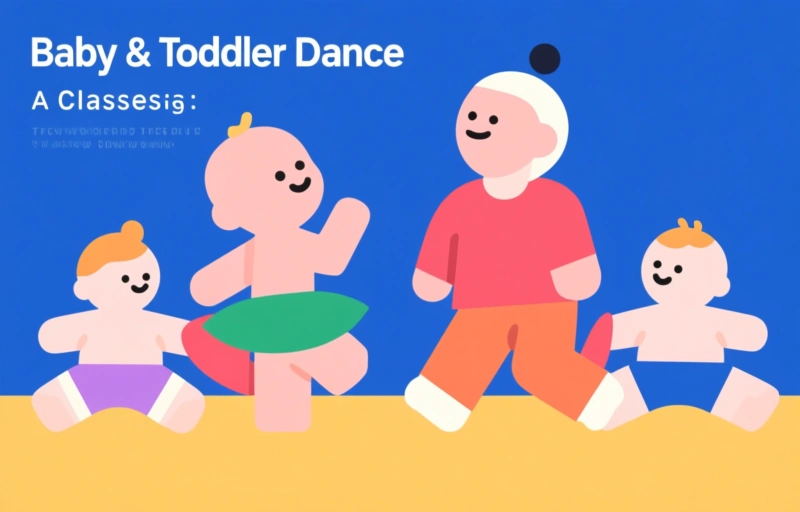
Discover why baby and toddler dance classes are becoming essential offerings for studios. Learn what makes these programs successful for both child development and business growth.
Have you noticed more parents bringing their little ones to dance studios lately? It's not just your imagination. There's a quiet revolution happening in early childhood activities, and dance classes for babies and toddlers are at the heart of it.
Parents aren't just looking for childcare anymore. They're searching for experiences that help their children grow, connect, and discover the world through movement. And dance studios are perfectly positioned to meet this need.
### Why Parents Are Choosing Dance for Their Youngest Children
Let's be honest—parenting young children can feel isolating sometimes. You're home with this amazing little person, but you're both craving connection with others. Dance classes create that community naturally.
Parents tell me they appreciate how these classes:
- Build social skills in a gentle, playful environment
- Develop coordination and body awareness early
- Create special bonding moments between parent and child
- Establish healthy movement habits from the very beginning
It's not about creating tiny professional dancers. It's about giving children tools for self-expression before they even have all the words to express themselves.
### What Makes a Successful Early Childhood Dance Program
If you're thinking about adding these classes to your studio, there are a few key elements that make them work. The magic happens when you focus on developmentally appropriate activities.
Keep sessions short—30 to 45 minutes is plenty for little attention spans. The space needs to be safe for crawling, toddling, and occasional tumbles. Soft mats and rounded corners make parents feel at ease.
Music selection matters more than you might think. Simple rhythms, familiar tunes, and varied tempos help children explore different ways of moving. One studio owner told me, "We use everything from classical music to children's songs to world rhythms. The diversity keeps both children and parents engaged."
### The Business Case for Baby and Toddler Classes
From a studio owner's perspective, these classes make solid business sense. They fill traditionally slow daytime hours. They introduce families to your studio years before children might join recreational or competitive programs.
Most classes charge between $15 and $25 per session, with discounts for multi-class packages. The investment feels reasonable to parents who value the developmental benefits.
Equipment costs are minimal. You'll need some basic props like scarves, soft balls, and simple instruments. The real investment is in finding instructors who understand child development and can create that magical, welcoming atmosphere.
### Creating Connection Beyond the Classroom
The most successful programs I've seen don't end when the music stops. They build community through:
Parent meet-ups after class
Photo opportunities that families can share
Simple take-home activities that extend the learning
Seasonal events that bring families together
These touches turn one-time visitors into loyal studio families. They create the kind of word-of-mouth marketing money can't buy.
### Looking Ahead: The Future of Early Dance Education
This trend shows no signs of slowing down. As research continues to highlight the benefits of early movement education, more parents will seek out quality programs.
Some studios are expanding into:
- Parent-child yoga combinations
- Music and movement fusion classes
- Outdoor dance experiences in good weather
- Special classes for children with different abilities
The common thread? Meeting families where they are and providing genuine value.
If you're considering adding these classes, start small. Offer one trial class and see how your community responds. You might be surprised by how quickly those tiny dancers—and their grateful parents—become some of your biggest advocates.
Remember, you're not just teaching dance steps. You're helping build confidence, coordination, and connection from the very beginning. And that's work worth doing.