Baby & Toddler Dance Classes: Building Popular Programs
Julia Wagner ·
Listen to this article~4 min
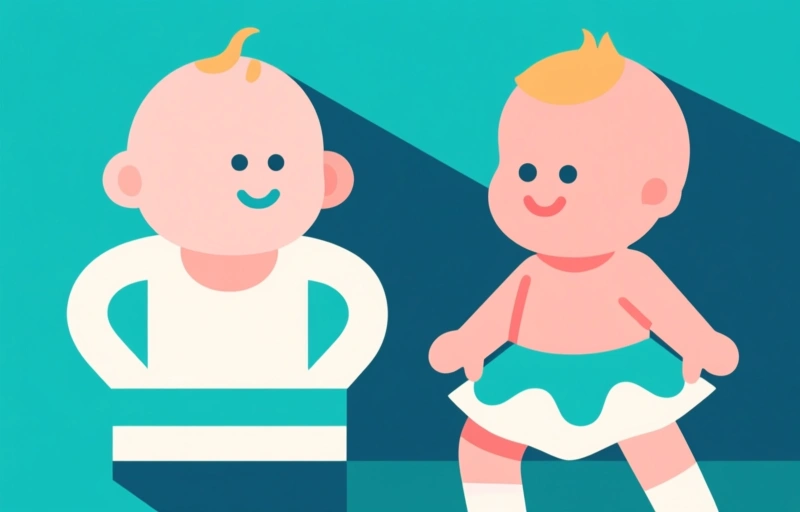
Discover why baby and toddler dance classes are gaining popularity and learn practical strategies for designing, pricing, and promoting successful early childhood dance programs in your studio.
So you're thinking about adding baby and toddler dance classes to your studio's schedule. Maybe you've seen the headlines about programs popping up and gaining traction in communities. It's not just a trend—it's a genuine opportunity to connect with families right from the start.
Let's talk about why these classes are catching on and how you can build a program that's both popular and profitable.
### Why Parents Are Seeking Early Dance Classes
Parents today are looking for more than just childcare. They want activities that support their child's development in a fun, social setting. A well-structured dance class for little ones hits all the right notes. It combines music, movement, and social interaction in one package.
Think about it from a parent's perspective. They get to bond with their child, meet other parents, and watch their baby explore movement. For the studio, it's a chance to build relationships with families that can last for years. That toddler in your class today could be your competitive dancer in a decade.
### Designing Classes That Work for Tiny Dancers
You can't just scale down your regular kids' classes. Babies and toddlers have different needs, attention spans, and abilities. The magic happens when you design specifically for them.
- **Keep sessions short:** 30 to 45 minutes is plenty for this age group
- **Focus on exploration:** Let them experience different movements, textures, and sounds
- **Involve caregivers:** Parents or guardians participate, making it a shared experience
- **Embrace the mess:** It won't be perfectly synchronized, and that's okay
One studio owner I spoke with put it perfectly: "We're not teaching pliés to two-year-olds. We're teaching them that movement is joyful and that this studio is a happy place to be."
That philosophy has filled her classes consistently for three years running.
### The Practical Side: Space, Pricing, and Promotion
You'll need to think about your space differently. Soft mats, age-appropriate props, and a clean, safe environment are non-negotiable. Many studios dedicate a specific room or corner for these classes, keeping the setup consistent week to week.
Pricing needs to reflect the value while remaining accessible. Many successful programs charge between $15 and $25 per class, with discounts for siblings or multi-class packages. Some studios offer a free trial class to remove the barrier to entry—it's a powerful way to let the experience sell itself.
Promotion is all about connecting with parents where they are. Think local parenting groups on social media, partnerships with pediatricians' offices, and word-of-mouth referrals. When parents find something that works for their family, they tell other parents. It's that simple.
### Building Community Beyond the Classroom
The most successful programs I've seen do more than just teach dance. They create community. They host casual "dance and play" social hours after class. They celebrate milestones, no matter how small. They remember children's names and interests.
This isn't just about filling a class slot on your schedule. It's about becoming part of a family's routine. When you get that right, the popularity follows naturally. Your studio becomes the place they think of first for birthdays, special events, and of course, more dance as their children grow.
Starting a baby and toddler program requires thoughtfulness and adaptation, but the payoff goes beyond immediate revenue. You're building the foundation of your studio's future—one tiny, joyful dancer at a time.