Baby & Toddler Dance Classes: Why Early Movement Matters
Julia Wagner ·
Listen to this article~5 min
Discover why baby and toddler dance classes are surging in popularity. Learn about the developmental benefits, what a class really involves, and how dance studios can successfully launch these joyful, community-building programs.
Have you noticed it? That little bounce when a favorite song comes on? That natural wiggle in a high chair? Kids are born movers. And more and more dance studios across the country are tapping into that innate rhythm with classes designed for our youngest dancers—babies and toddlers.
It's not about teaching a perfect plié. Not even close. It's about connection, development, and pure, joyful expression. Parents are signing up in droves, and it's easy to see why. In a world of screens, these classes offer a hands-on, heart-felt way to play and grow together.
### What Do Baby and Toddler Dance Classes Actually Look Like?
Forget strict routines and silent observation. These sessions are lively, sensory-rich playgrounds. Think colorful scarves, soft balls, gentle bubbles, and familiar nursery rhymes. The focus is on guided exploration, not performance. A typical 30 to 45-minute class might involve:
- **Warm-up cuddles and songs** to settle in and bond.
- **Simple movement games** like 'stomp like an elephant' or 'float like a butterfly.'
- **Instrument play** with shakers, drums, or bells to explore rhythm.
- **Parachute time or bubble pops** for group interaction and giggles.
- **A cool-down circle** with gentle stretching and a goodbye song.
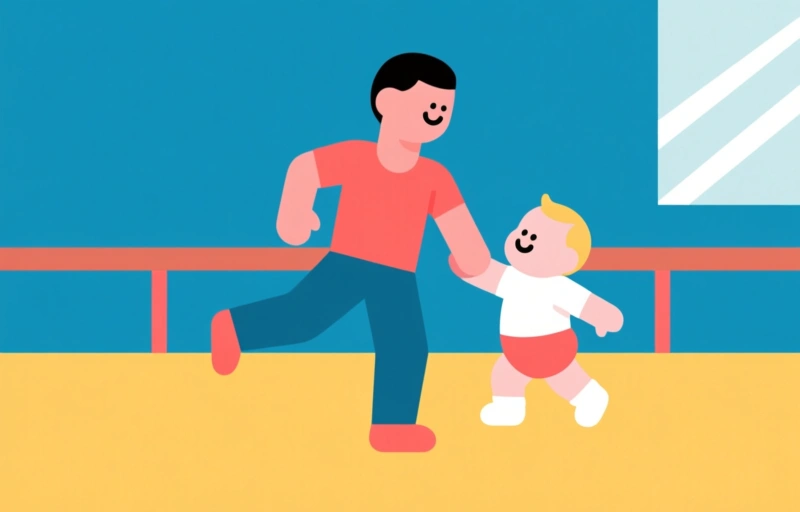
The instructor's role is more of a playful guide, modeling movements for parents and caregivers to do with their child in their arms or by their side. The studio floor is often padded, and the atmosphere is welcoming of all sounds—coos, cries, and triumphant claps included.
### The Real Benefits Beyond the Dance Floor
So why is this trend resonating so deeply? The benefits stretch far beyond learning a few cute moves. For the child, these classes support crucial early development. They enhance gross motor skills like balance and coordination. They introduce social concepts like taking turns and being in a group. The music stimulates auditory processing and language development.
For the parent or caregiver, it's a dedicated, device-free zone to connect. You're not just watching; you're participating. You get to see your child discover new capabilities, and you share in their delight. It's a scheduled hour of presence in a busy week. As one parent recently shared, 'It's our special thing. For 45 minutes, the to-do list disappears, and we just play. I see her confidence grow every week.'
### Is This a Sustainable Studio Offering?
From a business perspective, these classes are proving to be smart programming. They often fill a slower mid-morning slot in a studio's schedule. They require minimal extra equipment—mostly props you likely already have. And they build a pipeline. That toddler in a 'Wiggles & Giggles' class today is your future preschool ballet or hip-hop student in a few years. You're building community loyalty from the very first bounce.
They also attract a new demographic: parents of very young children looking for structured, enriching activities. Marketing these classes effectively can bring fresh faces through your doors who may then explore your other family-focused offerings.
### Key Considerations for Launching Your Own Program
If you're thinking of adding this to your studio's roster, a few thoughtful steps can ensure success. First, train or hire an instructor who is passionate about early childhood development, not just dance technique. Patience and warmth are the top credentials here. Safety is paramount—ensure the space is baby-proofed, with clean, soft flooring.
Keep class sizes intimate, maybe 8-12 adult-child pairs, so everyone gets attention. Be clear in your communications that this is a participatory class for adults and children together. And finally, embrace the beautiful chaos. It won't be perfectly quiet or perfectly synchronized, and that's exactly the point. You're creating a space where early movement is celebrated, one joyful wiggle at a time.
The surge in these classes tells us something important. Parents are seeking authentic, developmental experiences for their kids. They want to be part of the fun. By offering a warm, playful introduction to the world of dance, you're not just teaching steps. You're fostering a lifelong love of movement and music, starting from the very beginning.