How Baby Ballet Classes Build Confidence in Young Dancers
Julia Wagner ·
Listen to this article~4 min
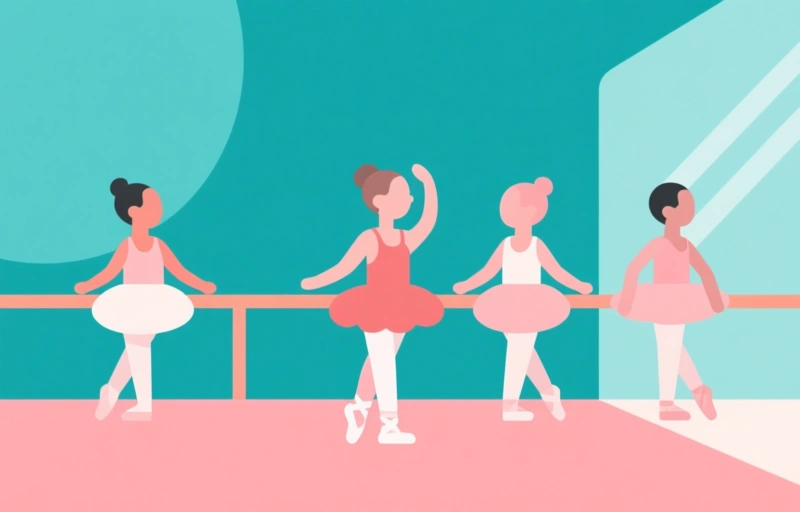
Discover how baby ballet classes do more than teach first steps—they build foundational confidence in young children through playful movement and positive reinforcement, creating benefits that extend far beyond the dance studio.
You know that feeling when you see a little one light up? It's pure magic. For dance teachers and studio owners, capturing that spark early can shape a child's relationship with movement for life. Let's talk about baby ballet – it's not just about tiny tutus and first positions. It's about planting seeds of confidence that grow far beyond the studio.
I've seen it firsthand. A shy three-year-old clinging to a parent's leg one week, then beaming with pride as they master a simple plié the next. That transformation? That's the real work. We're not training future prima ballerinas in these classes. We're building little humans who believe in themselves.
### What Makes Baby Ballet Different
Traditional dance classes often focus on technique from day one. With toddlers? That approach falls flat. Their attention spans are short – we're talking minutes here. Their bodies are still learning basic coordination. So we flip the script entirely.
Baby ballet becomes about exploration through play. We might:
- Turn tiptoe walks into "walking on clouds"
- Transform arm movements into "painting rainbows"
- Use scarves and ribbons to teach spatial awareness
- Incorporate simple songs that teach rhythm naturally
The goal isn't perfection. It's participation. When a child feels successful at something as simple as jumping like a frog, that success builds. It becomes a foundation.
### The Confidence Connection
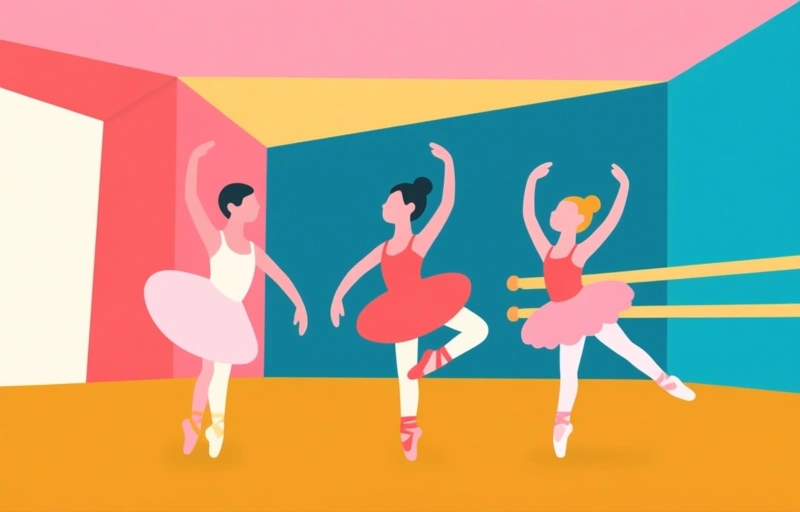
Here's something most parents don't realize initially: the studio becomes a safe space for risk-taking. In a world where toddlers hear "be careful" constantly, dance class says "try it." That permission to experiment? That's where confidence blooms.
I remember one student – let's call her Mia. She was painfully quiet during her first few classes. Wouldn't separate from her mom. Wouldn't speak to other children. But she watched everything with these huge, observant eyes.
We started small. Just getting her to hold a ribbon during scarf time. Then maybe sway with it. By week six, she was leading the scarf dance. Her mom told me she started speaking up more at preschool too. That's not a coincidence.
As one experienced instructor put it: "We're not teaching dance first. We're teaching children that their ideas and movements have value. The dance technique comes later, built on that foundation of self-worth."

### Practical Tips for Studio Owners
If you're thinking about adding baby ballet to your offerings, structure matters. These aren't just shortened versions of your regular children's classes. They require different planning.
Keep classes short – 30 to 45 minutes max. Any longer and you lose them. Limit class sizes to ensure each child gets attention. Use props liberally. Hoops become "magic circles," mats become "islands," and suddenly you're not just teaching movement – you're telling a story.
Parent involvement varies. Some studios welcome parents in the room for the youngest dancers. Others have viewing windows. There's no one right answer, but consistency matters. Whatever you choose, communicate it clearly from the start.
### Beyond the First Steps
The beautiful thing about starting this young? You're not just creating dancers. You're creating audience members, supporters, and lifelong appreciators of the arts. Even if they never take another class after age five, they carry that early positive association with creative movement.
For studio owners, these classes often become feeder programs for your older children's classes. But more importantly, they become community builders. Parents connect. Families become regulars. The studio becomes part of the neighborhood's rhythm.
So when you watch those tiny dancers concentrating so hard on their first relevé, remember what you're really seeing. You're watching confidence take its first steps. And that's a performance worth celebrating every single time.