The Art of Dance: Choreography, Movement, and Expression
Julia Wagner ·
Listen to this article~3 min
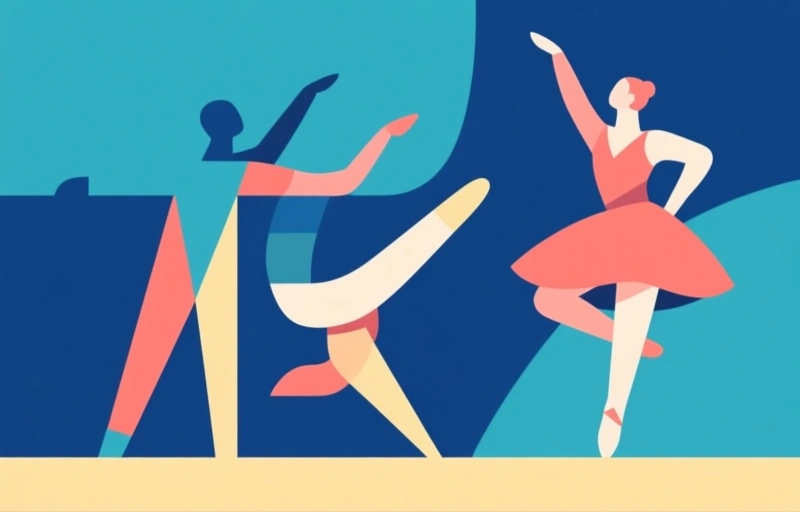
Explore the core elements of dance—choreography, movement, and expression—and learn practical strategies for dance professionals to enhance teaching and artistic impact in the studio.
Let's talk about dance. Not just as steps or routines, but as a living, breathing language of the human body. If you're running a studio, teaching classes, or creating choreography, you already know it's more than physical exercise. It's about storytelling, emotion, and connection. We're going to break down the core elements that make dance such a powerful form of expression, and how you can harness them in your own work.
### Understanding Choreography as a Blueprint
Think of choreography as the architectural blueprint for a dance. It's the planned sequence of movements, but it's not just about filling eight counts. A good choreographer considers space, energy, and musicality. How does a dancer move across a 30-foot by 40-foot studio floor? What's the emotional arc from the first step to the final pose? It's about creating a journey, not just a series of steps. The best choreography feels inevitable, like the music demanded that specific movement.
### The Language of Movement
Movement is the vocabulary. From a simple tendu to a soaring grand jeté, every motion communicates something. In a class setting, it's crucial to help students understand the intention behind the movement. Is this port de bras conveying sorrow or joy? Is the sharpness of that isolations meant to show precision or tension? When you teach, you're not just teaching steps; you're teaching a dancer how to speak with their body. It's a skill that takes years to refine, but it starts with mindful practice.
### Expression: The Heart of the Performance
This is where technique meets soul. Expression is what transforms a technically perfect routine into a memorable performance. It's the look in the eyes, the quality of the reach, the breath behind the movement. As teachers and choreographers, our job is to create a safe space where dancers feel empowered to express themselves authentically. That vulnerability is where true artistry lives.
Here are three practical ways to cultivate better expression in your studio:
- Use improvisation exercises regularly to break down self-consciousness.
- Discuss the story or emotion behind a piece of choreography with your dancers.
- Encourage dancers to film themselves and watch it back, focusing on their expressive qualities, not just their technique.
As the legendary dancer Martha Graham once said, "The body says what words cannot." That's the magic we're all chasing.
### Bringing It All Together in Your Studio
So how do you apply this? Start by auditing your own classes or choreography. Are you spending all your time on correct foot placement (which is important!) but neglecting the *why*? Try dedicating the last 10 minutes of a 90-minute class to pure expressive exploration. Maybe it's improv to a new piece of music. Maybe it's revisiting a combination with a new emotional intention. The goal is to make expression a habit, not an afterthought. Remember, your students and dancers look to you to give them permission to be artists, not just technicians. That's the real work, and it's what will set your studio apart.