Antonia Economou on Dance, Emptiness, and The Great Nothing
Sarah Jenkins ·
Listen to this article~4 min
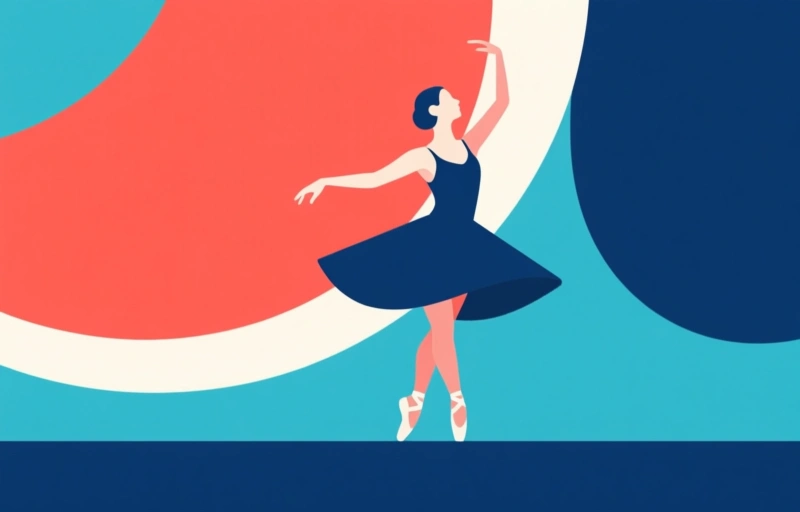
Explore how choreographer Antonia Economou's concept of 'The Great Nothing' transforms emptiness into a source of creative potential for dancers and educators.
Let's talk about something that might sound a little abstract at first. Dance and emptiness. It's a concept that choreographer Antonia Economou explores deeply in her work, particularly in a piece called "The Great Nothing." I know, it sounds heavy. But stick with me, because there's something incredibly human and relatable here.
When you hear "The Great Nothing," what comes to mind? For many of us, it's a void, an absence. It can feel intimidating. But in the world of contemporary dance, Economou flips that idea on its head. She's not looking at nothingness as an end point. She's exploring it as a starting place, a space of pure potential.
### Finding Movement in the Empty Space
Think about your own studio. That moment before class starts, when the floor is clear and the music hasn't begun. There's a certain energy in that quiet, right? That's the kind of space Economou is working with. She asks her dancers to engage with the emptiness, to find their movement not in spite of it, but because of it.
It's a practice in presence. The dancer isn't just performing steps; they're in a dialogue with the space around them, with the silence, with their own internal landscape. This approach creates a raw, authentic quality of movement that's hard to achieve when you're just focused on the choreography.
### Why This Concept Matters for Dance Professionals
So, why should studio owners and choreographers care about this? Because it gets to the heart of what we're trying to teach. It's not just about technique. It's about expression, intention, and connection. When a dancer learns to inhabit an empty space fully, they bring a new level of artistry to everything they do.
Here’s what embracing this philosophy can do for your work:
- It encourages dancers to develop a stronger internal focus.
- It builds performance confidence that isn't reliant on external cues.
- It fosters creativity, as dancers learn to generate movement from within.
- It creates more compelling, emotionally resonant performances for audiences.
Economou’s work reminds us that sometimes, the most powerful statement is made in the quiet moments. The pause between phrases. The stillness before a leap. These aren't voids to be filled; they're essential parts of the dance's rhythm and meaning.
### Bringing "The Great Nothing" Into Your Studio
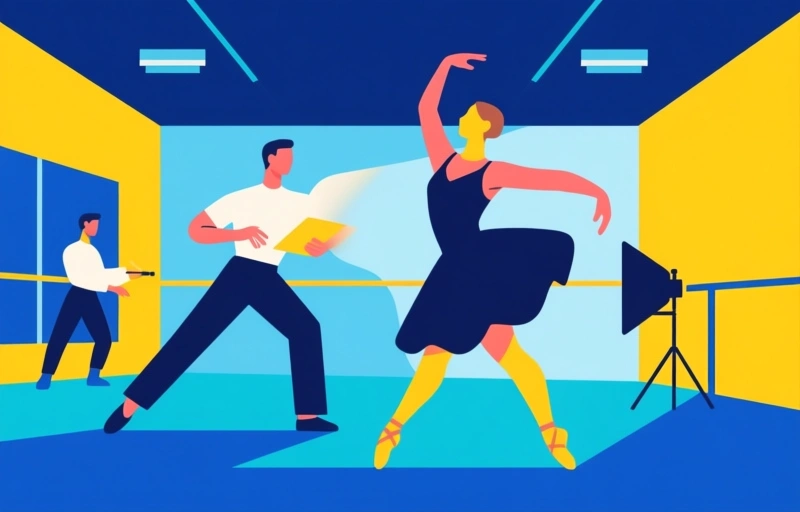
You don't need a grand philosophical treatise to apply these ideas. Start simple. Dedicate five minutes at the beginning of a class to silent improvisation. Ask your dancers to move in response to the empty space, not to music. Challenge them to find the weight of their own bodies in the stillness.
As one dancer in Economou's company noted, 'It's terrifying and liberating at the same time. You realize you have everything you need right there.'
That's the real takeaway for us as educators. Our job is to help dancers discover that they are enough. The technique, the costumes, the music—they're tools. But the core of the art comes from within, from that place of quiet potential that Economou calls "The Great Nothing." It's a powerful reminder in a world that's constantly telling us to do more, be more, fill every second. Sometimes, the most profound artistry begins when we stop, breathe, and dance the void.