After-School Ballet Program Sparks Dance Passion in Students
Julia Wagner ·
Listen to this article~4 min
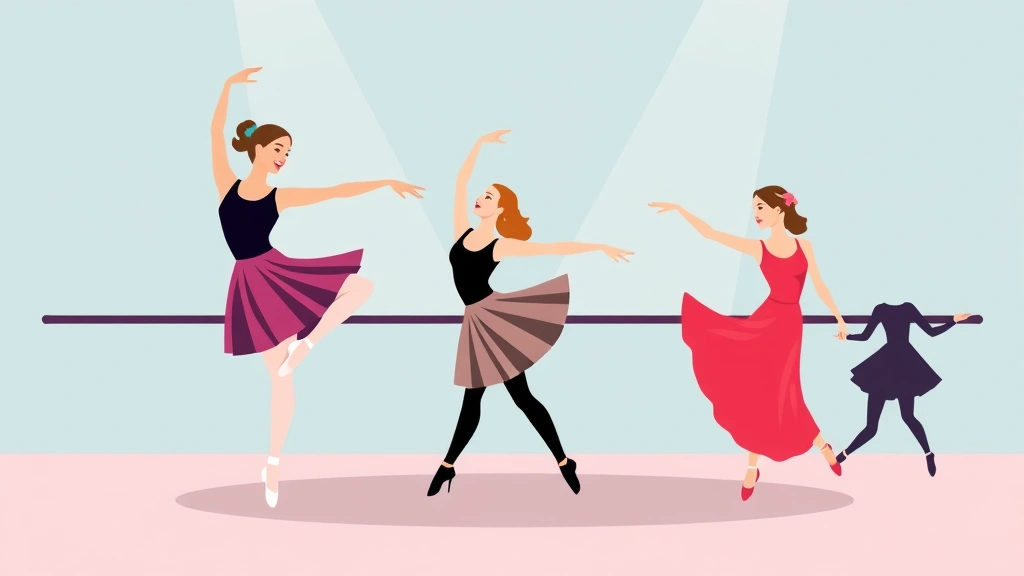
Coit Creative Arts Academy's after-school ballet program is more than just lessons—it's igniting a lifelong passion for dance in students, building foundations for local studios and fostering essential life skills.
You know that feeling when you see a kid completely lit up by something new? That's what's happening at Coit Creative Arts Academy right now. Their after-school ballet program isn't just teaching pliés and relevés—it's igniting a genuine passion for movement in young students. It's the kind of program that makes you remember why arts education matters so much.
For dance studio owners and choreographers, this is the dream scenario. It's not about creating professional dancers overnight. It's about planting seeds. It's about giving kids that first taste of discipline, expression, and pure joy that comes from dance. When a program like this succeeds, it builds the next generation of appreciative audience members, dedicated students, and maybe even future instructors.
### Why After-School Programs Are Game Changers
Think about the typical school day. It's packed. Core subjects take priority, and arts can sometimes get squeezed out. That's where a well-structured after-school program becomes invaluable. It provides dedicated time and space. Kids can transition from their academic mindset into a creative one. They're not rushing. They can focus on the artistry.
For studios, partnering with schools opens a new avenue for community engagement. It's a direct line to families who might not have considered formal dance classes before. The benefits are clear:
- **Accessibility:** It brings dance directly to students in a familiar environment.
- **Foundation Building:** It introduces fundamental techniques and terminology.
- **Confidence Boosting:** Performing in a low-pressure, supportive setting builds self-esteem.
- **Social Connection:** It fosters teamwork and camaraderie outside the standard classroom.
### Building a Program That Truly Resonates
So, what makes a program like this stick? It's not just about showing up and teaching steps. The magic is in the connection. Instructors need to understand they're often a child's first introduction to dance. That first impression is everything. The goal is to make it positive, encouraging, and, above all, fun.
The curriculum has to be age-appropriate and progressive. You start with the basics—posture, simple positions, listening to the music. You celebrate the small wins. You focus on the feeling of movement, not just perfect form. As one seasoned dance educator put it, 'We're not training robots. We're helping children discover the language their bodies want to speak.'
It's also about setting realistic expectations for parents. Communicate the goals clearly. This program is about exploration and enjoyment. It's about developing coordination, musicality, and a love for the art. Measurable progress in a beginner program looks like a child who is excited to come to class, who listens more attentively, and who carries themselves with a little more grace.
### The Ripple Effect on Local Dance Communities
When a school-based program thrives, the entire local dance ecosystem feels the impact. Studios often see an increase in inquiries for their regular classes. Parents witness their child's newfound passion and seek more advanced training. It creates a natural pipeline. The academy becomes a feeder, not a competitor, to the broader dance community.
This model demonstrates the value of dance education in a tangible way. It shows administrators and policymakers that arts programs have real, positive outcomes. Students learn focus, perseverance, and creative problem-solving—skills that translate directly back to their academic work. It's a holistic approach to child development.
Ultimately, programs like this remind us of the core purpose. We're not just teaching dance steps. We're providing tools for expression. We're building confidence that extends far beyond the studio walls. We're showing kids that there's a place for artistry in their lives. And sometimes, all it takes is one after-school class to light that spark.